Skip to content

HubSpot
Membership Portals

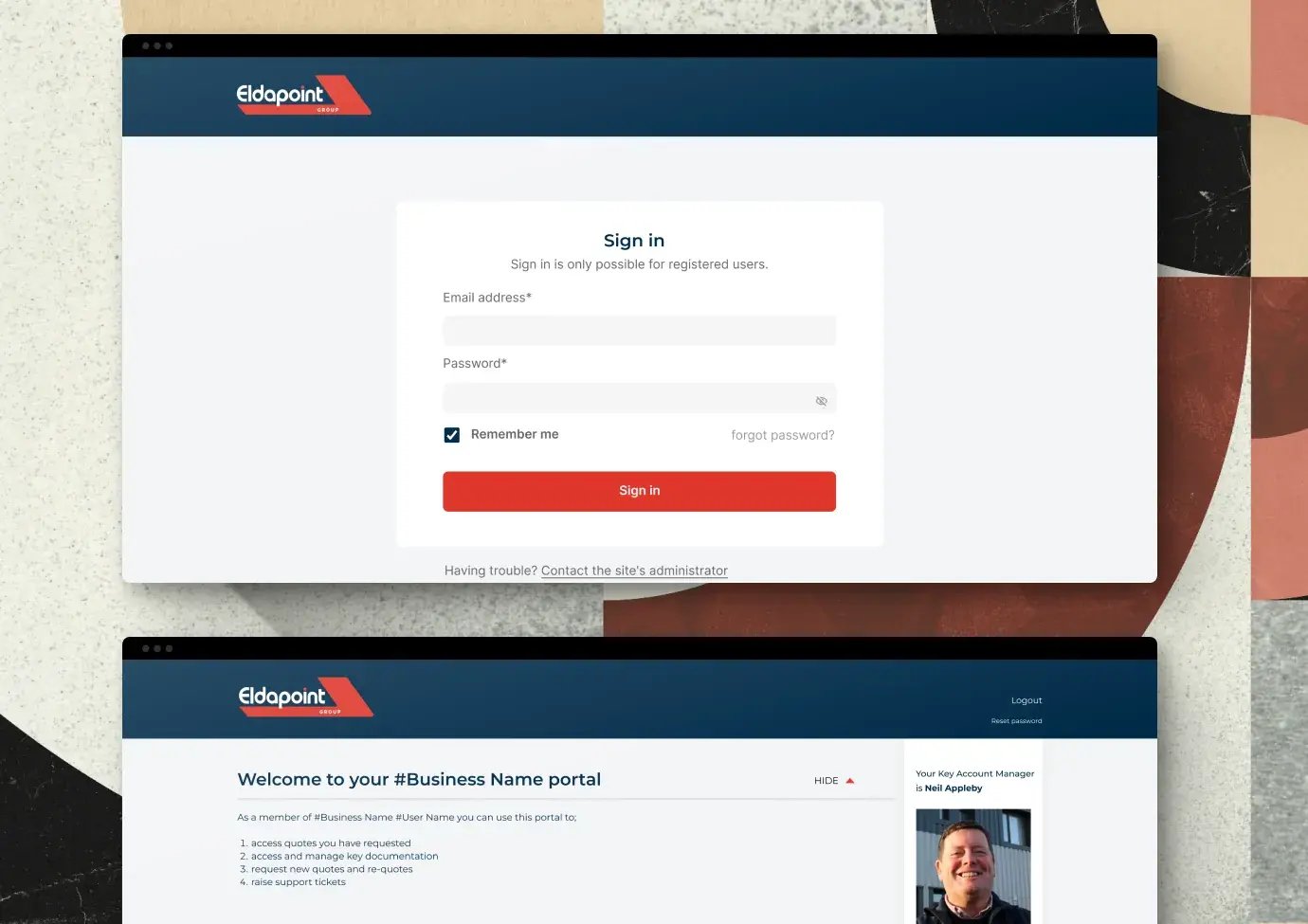
We design and build secure HubSpot portals that give members, customers and distributors access to the information and services relevant to them.

HubSpot CRM controls who they are, what they can access and what happens when they use the portal.

Eldapoint_portal_3
Team_photo_1

Organisations that trusted us to deliver their HubSpot Website

Give people somewhere useful.

A portal should reduce the number of things your members or customers have to ask your team for.

For a membership organisation, that could mean checking membership status, updating details, booking an event or viewing CPD.

For a manufacturer, it could mean finding technical documents, checking approved products, accessing account information or downloading sales and marketing materials.

HubSpot lets us build those journeys around the CRM record. Access can reflect who someone is, which organisation they belong to and what they are entitled to see.

We work out what users need to do in the portal, what data is required and where that data needs to come from. Then we design and build the experience around it.

Featured project

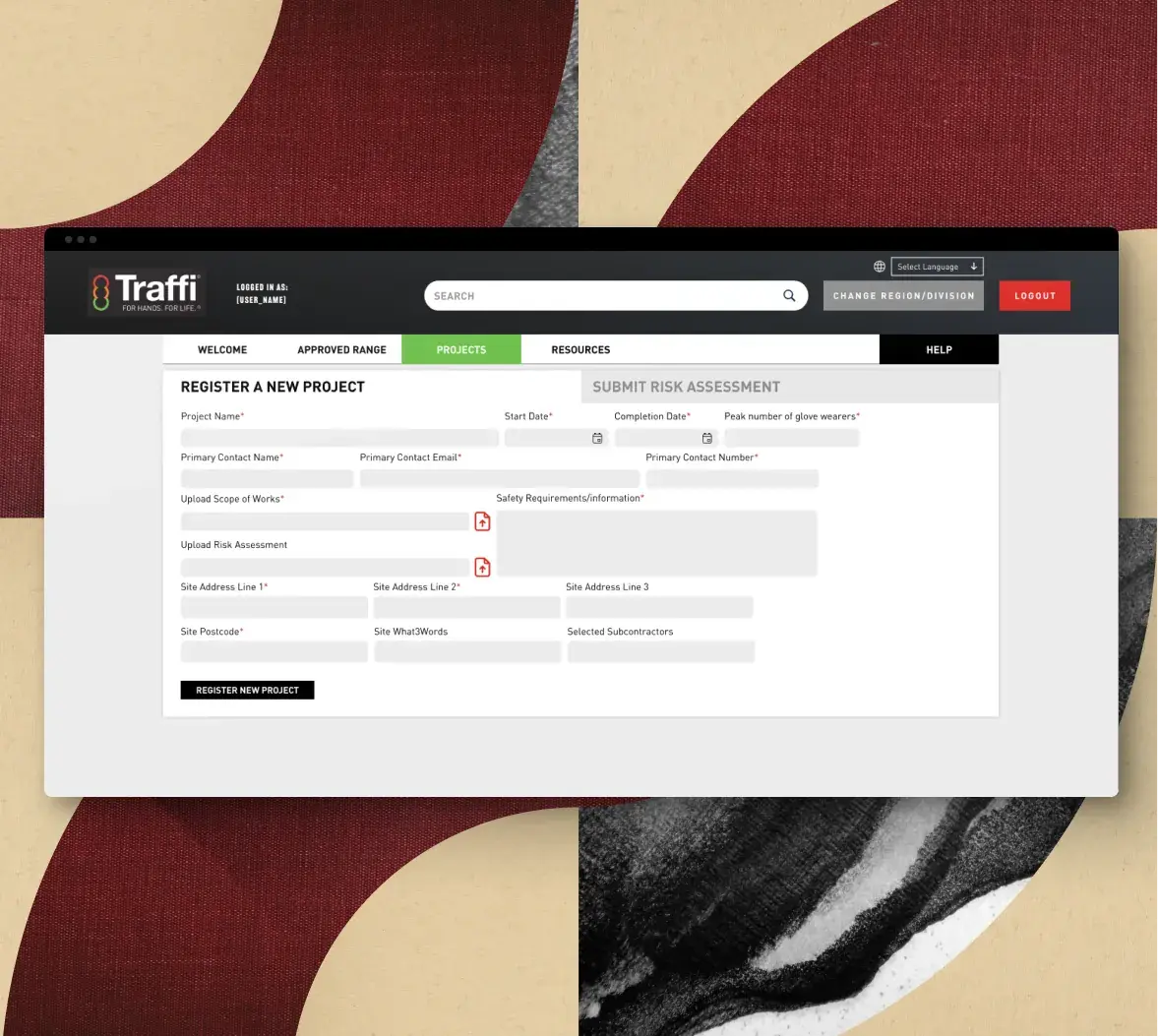
Brand-new Distributor Portal

Traffi_portal
traffi-logo-172x42-centred

Traffi needed to support its established distributor network while introducing a new direct-to-consumer sales channel.

We built a secure HubSpot Content Hub portal where access and content are controlled by CRM data. Distributors can find relevant product materials, co-branded assets, stock information and account-specific pricing, while their activity feeds back into HubSpot.

The portal gives Traffi a better way to support distributors without separating that experience from the customer data already held in its CRM.

What can you do with a HubSpot portal?

HubSpot's membership functionality gives logged-in users access to private areas of your website. This is how it can work for your industry.

Let members renew, book events, access CPD records and update their details in one login. They get answers any time of day, and your team spends less time on admin emails.

Give customers one login to track orders, download specs, approve quotes and raise support tickets. They get answers without calling, and your sales and service team get hours back every week.

What a HubSpot portal costs.

Portal scope depends on what people need to do after they log in.

A private resource library is different from a portal involving several user types, CRM-driven personalisation, profile management, events, payments or data from other systems.

Fill in this form and get our pricing guide for an indicative cost for your website project.

Get our Pricing Guide

HubSpot Membership Portal FAQs

A HubSpot membership portal is a secure area of a website that only authorised users can access.

The logged-in experience can use data held in HubSpot to determine what someone can see and do.

That makes it useful for member areas, customer portals, distributor portals and other situations where the experience needs to change depending on the user.

It depends on how your membership works.

A portal might show membership details, renewal dates, events, CPD progress, certificates, invoices, resources or profile information.

We define the portal around what members actually need rather than starting with a fixed set of features.

Yes.

The portal can use CRM information to determine what someone should be able to access.

That could be based on membership type, organisation, role, status, interests or other information held in HubSpot.

It can form the member-facing part of those journeys.

For example, members could view relevant events, register, see attendance information, monitor CPD progress or access certificates.

The exact setup depends on how events, training and CPD are managed behind the scenes and which systems need to connect with HubSpot.

Yes.

A distributor portal can provide secure access to information such as product documents, marketing assets, account information, pricing and stock data.

The information shown can be based on the distributor's CRM record and data passed into HubSpot from other systems.

It depends on the functionality.

The main factors are the number of user types, the information each user needs to access, the amount of CRM-driven personalisation, self-service requirements and the systems that need to connect with the portal.

We scope those requirements before development so the cost reflects what the portal actually needs to do.

Planning a B2B website project?

Rebuilding, moving off WordPress, or tired of waiting on a developer for every change? Tell us where you are.

We will give you a clear view of what to map first, how it would be built on HubSpot, and whether we are the right partner to help.

Talk Through Your Project